What is a Car Wrap? Colour, Finish and What to Expect
A vinyl wrap changes how your car looks without changing its paint. It is a cosmetic choice, and a reversible one.
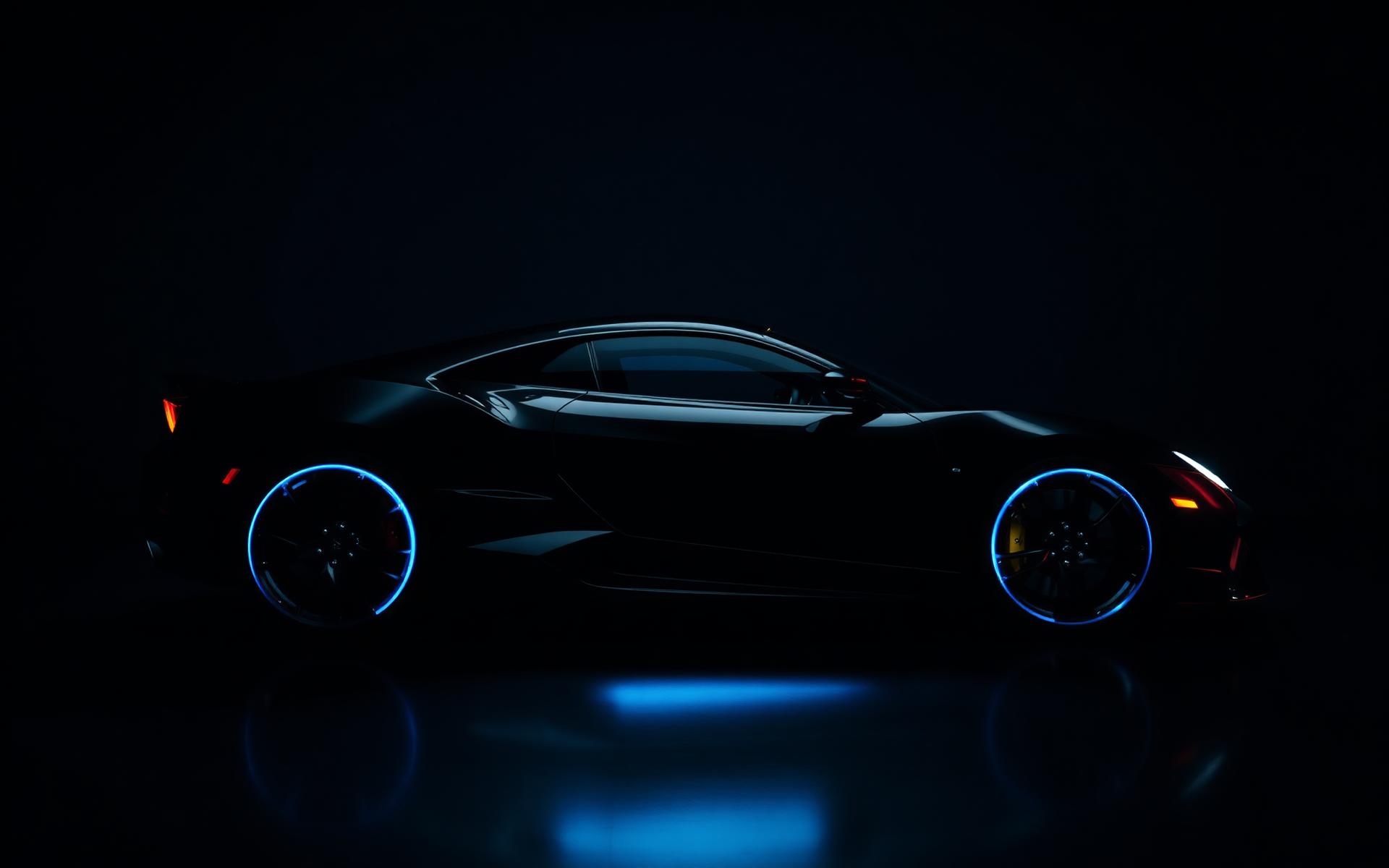
A new colour, without repainting
A car wrap is a thin vinyl film with an adhesive backing, applied over the painted panels of a car. The installer heats, stretches and trims it so that it follows the shape of each panel and looks like paint.
A wrap can cover the whole car, or only parts of it: a roof, a bonnet, mirror caps, or the chrome trim around the windows.
Colours and finishes
This is where a wrap offers more than a paint shop easily can. Films are made in a very wide range of colours and in several finishes: gloss, which looks like conventional paint; satin, with a soft sheen; matte, with no shine at all; and textured films that imitate materials such as carbon fibre or brushed metal.
Because the film is manufactured rather than mixed and sprayed, the colour is consistent from panel to panel.
Cosmetic, and reversible
A wrap is first of all a styling choice. Its main purpose is to change how the car looks.
It is also reversible. A quality film, properly installed over sound factory paint, can be removed later to return the car to its original colour. That matters if you may sell the car, or simply change your mind. Paint that has been resprayed or is already failing is a different case, and should be assessed before any film goes on.
How a wrap differs from PPF
The two are often confused because both are films, but they are built for different jobs. Paint protection film is a thicker polyurethane film designed to absorb impacts, and premium versions have a self-healing top coat.
Vinyl wrap is thinner and is not self-healing. It covers the paint, so it keeps sunlight and light scuffs off it, but it gives only limited protection against stone chips. If protection is the priority, PPF is the right material. If a new look is the priority, a wrap is.
How long a wrap lasts
A well-installed wrap in a quality film will typically last several years with proper care. The exact figure depends on the film, the finish and how the car is kept.
Sun is the main thing that shortens a wrap’s life. A car parked outdoors all day will age its wrap faster than one kept under cover, and horizontal panels such as the roof and bonnet take the most exposure. Harsh chemicals, abrasive washing and pressure washers held too close to the edges also do damage.
Care basics
Wash a wrapped car by hand with a pH-neutral shampoo and a soft mitt. Avoid automatic brush washes, and keep pressure washers at a distance from edges and seams.
Do not use abrasive polish on any wrap, and do not wax matte or satin films, as it will leave them patchy and shiny. Clean off bird droppings, sap and fuel spills promptly, and park in the shade when you can.